The light at the end of the tunnel
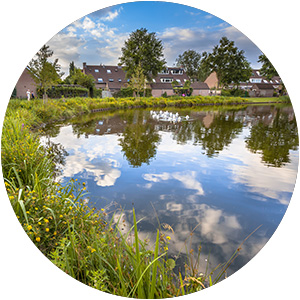 Almost 13 years to the day after gaining royal assent, Schedule 3 of The Flood and Water Management Act is scheduled for implementation, offering a clearer way forward for sustainable drainage measures in England.
As of 10 January 2023 the …
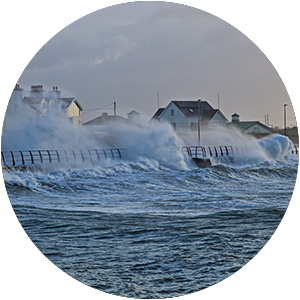 Hurricanes, aka tropical cyclones, are one of the most extraordinary and potent forces seen in nature. One of the world’s most at-risk areas is the east coast of America, but what lessons are there for the UK?
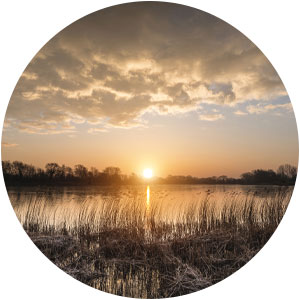 The UK has long been defined by its relationship with water, but this is changing. In every region watercourses face multiple stresses. In England only 14% of rivers are classified as having good ecological status. Our waterways are our national …
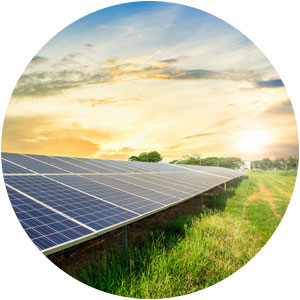 By 2021, zero-carbon power increased to nearly 50% of Britain’s electricity mix, from less than 20% ten years ago. 2020 was the first year in which renewable energy overtook fossil fuels as the UK’s main source of electricity.
 Reuben graduated from Cardiff University in 2021 with a MEng in Civil Engineering. The focus of his dissertation was on natural flood management methods and …
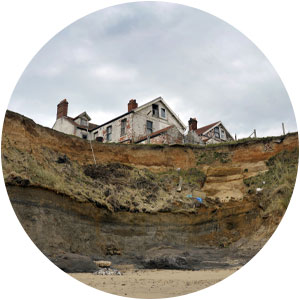 As we’ve emphasized before, it’s almost certain that sea levels will rise at least one metre because of climate change, impacting coastal communities. Coastal adaptation to reduce flood and erosion risks is essential.
 Excess water use can cause significant environmental damage. We need more housing, but we must use less water. How can we square the circle?
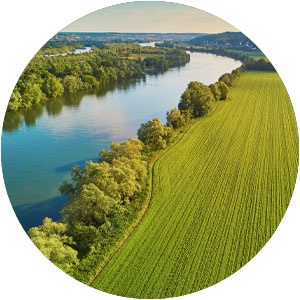 Excess levels of nutrients in watercourses can cause significant environmental damage. The regulatory environment is changing significantly to counter this, and consequences will be far-reaching for developers.
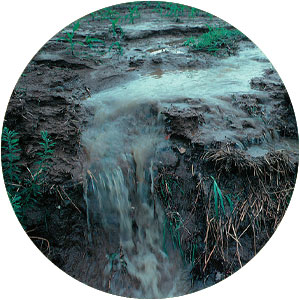 According to The Rivers Trust, only 14% of English rivers have Good Ecological Status within the Water Framework Directive (WFD) because of pollution. Nitrogen compounds are key components of this.
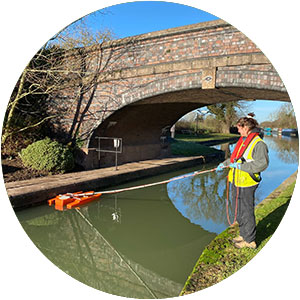 Insufficient water to meet the needs of a population, whether for domestic, agricultural or industrial use, is water stress. It is a growing issue worldwide, made worse by climate change, but canals may offer a way forward.