Water Cycle Studies: Supporting Sustainable Development
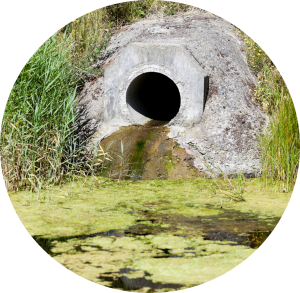
Under the Water Framework Directive (WFD) regulations, only 16% of rivers in England are classed as achieving good or high ecological status. In comparison, this value is 29% in Northern Ireland, 43% in Wales, and 57% in Scotland. The …



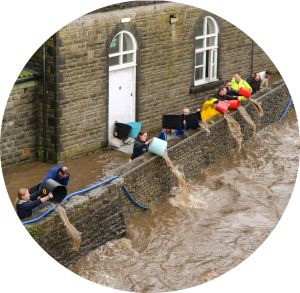
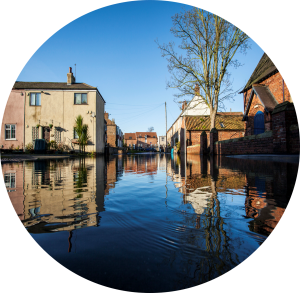

 Nutrient neutrality rules that protect water quality are under threat in England. The government argues that 100,000 additional homes will be built in the next decade as a result.
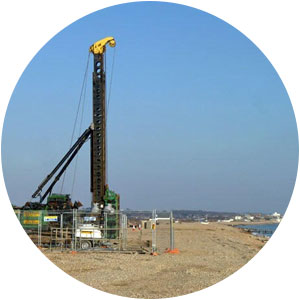 WHS can ensure that piled foundations and penetrating ground improvements present no risk to controlled waters.
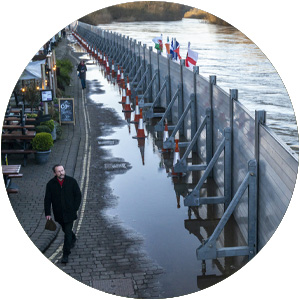 Economic pressures, social divides, and pressing environmental problems fuel angst in today’s world. The pessimism of ‘eco-anxiety’ is driven by fear for the environment’s future, and flood risks feature large. We must shape something different.